October 13, 2026
Exploring the various methods local dentists use to treat prevalent oral health issues reveals a crucial blend of prevention, diagnosis, and restorative care. These dedicated professionals employ advanced techniques to address daily concerns, ensuring patients maintain optimal oral health throughout their lives. According to Forbes, 25% of adults between the ages of 20 and 64 have at least one untreated cavity, highlighting the critical need for routine clinical evaluation. Understanding these comprehensive treatments empowers patients to make informed decisions about their ongoing care.
Primary care dental practices focus on maintaining long-term wellness through targeted preventive strategies and early intervention. When patients establish strong relationships with their care teams, they receive personalized guidance tailored to their specific risk factors and lifestyle habits. From routine hygiene appointments to complex structural repairs, professional clinical care provides the essential foundation for lasting oral wellness, optimal chewing efficiency, and pain-free living across every stage of life.
Beyond resolving immediate physical discomfort, consistent oral health management directly supports overall systemic well-being. Modern diagnostic tools, including high-resolution digital imaging and thorough clinical assessments, allow clinicians to identify emerging concerns long before noticeable symptoms develop. By taking a proactive approach to dental wellness, patients can avoid extensive procedural treatments and enjoy predictable, long-lasting clinical results.
Preventing and Treating Dental Cavities
Preventing tooth decay requires a dual approach combining disciplined at-home hygiene with professional clinical interventions. Dental caries develop when dietary sugars interact with mouth bacteria to create enamel-eroding acids. Local dentists recommend regular brushing with fluoride toothpaste, daily flossing, and specialized treatments like topical fluoride or dental sealants to protect vulnerable enamel from bacterial breakdown. Establishing strong hygiene habits early significantly reduces susceptibility to progressive surface erosion.
When decay damages the enamel, local dentists offer durable restoration options to rebuild structural integrity and stop further breakdown. Composite resin fillings match natural tooth shades for seamless aesthetic repairs, while amalgam materials provide exceptional strength for high-pressure molars. Choosing the right material ensures both full functional recovery and an attractive, natural appearance. Modern restorative techniques preserve as much natural tooth structure as possible during preparation.
Advanced decay that penetrates inner pulp tissue necessitates specialized root canal therapy to save the natural tooth structure. During this standard procedure, clinicians carefully clear infected pulp tissue, disinfect the inner chamber, and seal the space securely. Preserving the natural tooth root maintains proper jaw alignment, preserves biting force, and prevents neighboring teeth from shifting out of position while eliminating chronic infection.
Managing Periodontal Health and Disease
Effective management of gum disease relies heavily on early detection during routine periodontal examinations. Dentists assess tissue color, firmness, and pocket depths around each tooth to identify early signs of inflammation or recession. Spotting gingivitis early allows care teams to implement non-invasive cleaning protocols that successfully halt disease progression before permanent tissue damage occurs, keeping supporting structures firm and healthy.
When periodontal disease advances past initial stages, deep cleaning techniques become necessary to restore gum tissue health and prevent bone loss. Scaling and root planing procedures remove persistent plaque and hardened tartar from deep below the gumline while smoothing root surfaces. This thorough deep cleaning process reduces deep pockets, eliminates infection sources, and enables healthy tissue to reattach firmly around the teeth.
Severe periodontitis may require advanced surgical treatments, such as flap surgery or bone grafting, to restore compromised support structures. Clinicians frequently combine these physical interventions with targeted antimicrobial rinses or specialized antibiotic therapies to control bacterial populations. Ongoing patient education regarding proper flossing and brushing ensures long-term management of periodontal conditions and protects the longevity of overall dentition.
Addressing Tooth Sensitivity and Discomfort
Managing tooth sensitivity begins by identifying underlying causes such as enamel erosion, exposed root dentin, or nighttime bruxism. Exposure of tiny dentinal tubules permits hot, cold, or sweet stimuli to reach internal nerve endings, triggering sharp discomfort. Local dentists evaluate individual wear patterns and tissue recession to determine the precise root cause of sensitivity, creating customized treatment plans tailored to patient needs.
Clinical treatments for acute sensitivity include professional desensitizing agents, high-concentration fluoride gels, and custom mouthguards to shield teeth from grinding forces. In addition to clinical applications, clinicians often recommend specialized daily toothpaste formulas that block nerve pathways with continuous use. These combined solutions offer long-term comfort while maintaining optimal dental hygiene and preventing secondary enamel wear.
Unexplained or sudden toothaches require immediate professional evaluation to locate structural damage, fractures, or deep infection. Applying cold compresses and taking over-the-counter pain relievers can temporarily ease acute discomfort while arranging urgent care. Timely professional evaluation prevents minor internal issues from escalating into severe, widespread dental emergencies that require extensive clinical intervention.
Correcting Misalignment and Malocclusion Issues
Orthodontic evaluations assess bite alignment, crowding, and overall jaw mechanics to determine the ideal timing for corrective treatment. Proper alignment facilitates easier cleaning, lowers decay risks, and relieves unnecessary pressure on jaw joints. Early diagnostic assessments allow clinicians to map out effective, customized straightening protocols for patients of all ages, ensuring balanced bite distribution.
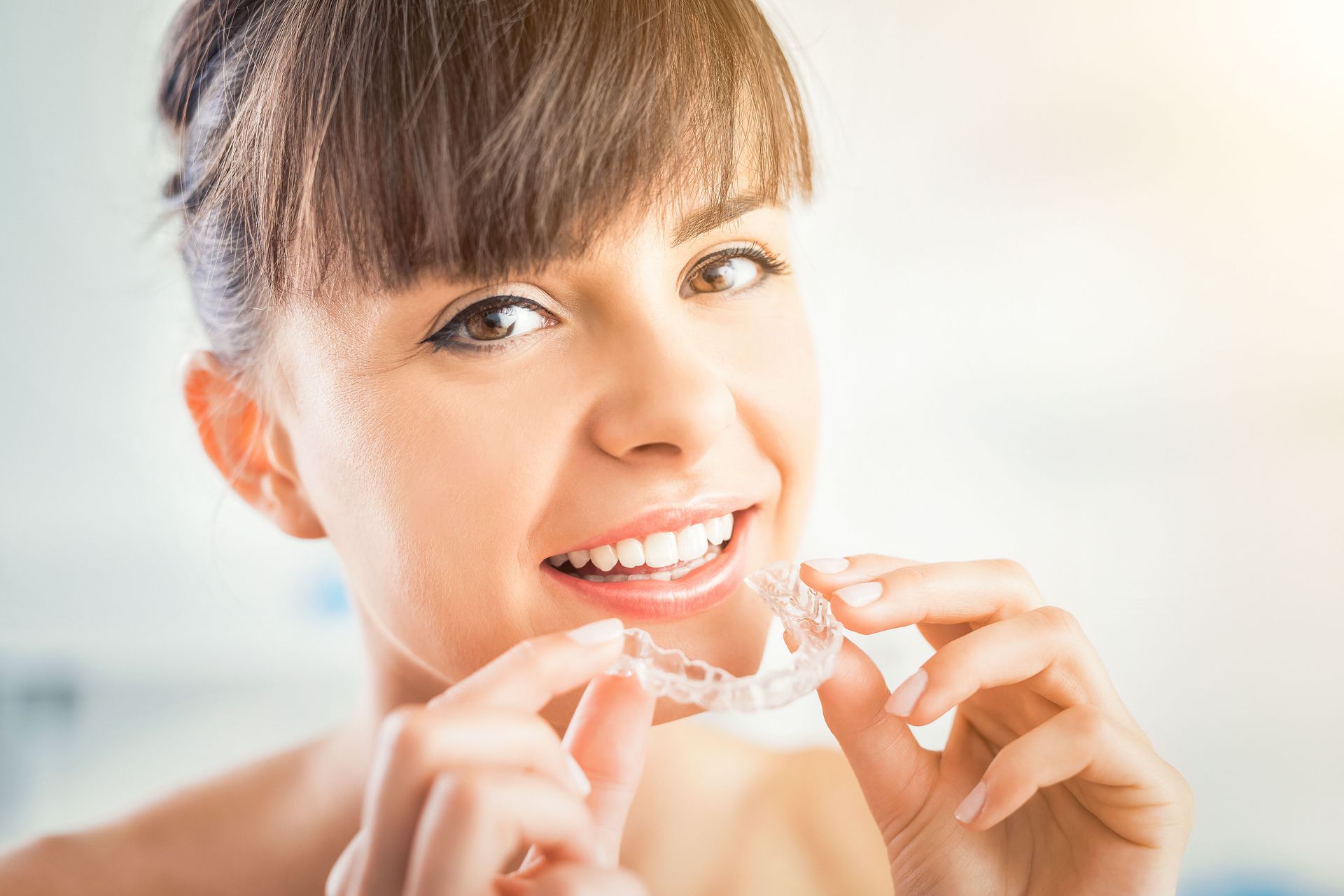
Modern clear aligner systems offer a discreet, removable alternative to traditional metal appliances for correcting minor to moderate misalignment. Custom-fabricated aligner trays gradually shift teeth into optimal positions while allowing patients to maintain standard brushing and flossing habits without food restrictions. Regular clinical check-ins ensure steady progress while supporting excellent ongoing oral hygiene throughout the alignment process.
Traditional metal braces remain the most reliable method for resolving complex structural malocclusions and severe spatial issues. Following any active orthodontic treatment, custom retainers are vital for maintaining newly achieved positions and preventing unwanted tooth shifting over time. Consistent retainer wear ensures permanent stability, structural harmony, and enduring smile aesthetics for decades to come.
Restoring Missing Teeth and Function
Timely replacement of missing teeth is vital for preserving natural jawbone density and maintaining proper bite alignment over a lifetime. Spaces left untreated can cause adjacent teeth to tilt inward, altering chewing dynamics and increasing overall risk for additional tooth loss. Comprehensive replacement options restore original oral mechanics, natural speech, and confident facial proportions while supporting remaining natural teeth.
Dental implants provide a permanent restoration by anchoring directly into the jawbone to mimic natural tooth roots. These titanium posts support natural-looking custom crowns without relying on adjacent healthy tooth structures for support. Implants preserve natural bone structure over time while delivering exceptional stability for everyday chewing and speaking needs, serving as an ideal long-term restorative solution.
Dental bridges and removable partial dentures offer versatile alternatives for replacing single or multiple missing teeth across an arch. These restorations are carefully crafted to blend seamlessly with surrounding natural teeth, balancing functional support with natural aesthetic appeal. Proper care and regular check-ups ensure these restorative appliances remain comfortable, stable, and highly functional for many years of daily use.
Proactive care provides the key to resolving common oral health challenges effectively while preserving long-term wellness. Through routine check-ups, preventive guidance, and advanced restorative treatments, local dentists help patients maintain healthy, functional smiles. Working closely with dedicated dental professionals ensures that early signs of decay, gum disease, or structural wear are addressed before causing lasting damage. Prioritizing regular visits fosters a lifetime of excellent oral health and complete confidence. For more information about the services that we offer, reach out to our incredible team at Advanced Dental Wellness today!