April 17, 2026
Maintaining oral health supports daily comfort, confidence, and long-term wellbeing. A consistent approach to care helps reduce the likelihood of complex dental issues while preserving natural teeth for as long as possible. Understanding how preventive and restorative approaches work together makes it easier to make informed decisions about ongoing treatment. Access to quality dental services ensures patients can stay ahead of potential concerns through regular monitoring and care.
A strong oral care routine is built on a combination of professional support and at-home habits. From early detection of issues to long-term maintenance strategies, dental procedures play a central role in protecting teeth and gums. These vital services are designed to support patients at every stage of life, helping maintain both function and appearance.
1. Understand Routine Dental Check-Ups
Routine dental check-ups form the foundation of preventive oral care and are among the most important dental services available. These visits allow dental professionals to evaluate overall oral health, identify early signs of concern, and provide timely recommendations. Consistent monitoring helps reduce the risk of minor issues developing into more serious conditions.
Regular appointments typically include a full oral examination and assessment of gum and tooth health. Diagnostic tools may be used to identify concerns that are not visible during daily brushing and flossing. These evaluations support early intervention and help maintain long-term oral stability.
Access to care is widely available, with a significant number of providers offering dental services across the country. According to Poi Data, there are around 44,007 dental clinics in the United States, reflecting the broad availability of professional oral healthcare. This accessibility helps individuals establish consistent routines that support long-term prevention.
Routine visits are often recommended at regular intervals, although individual needs may vary based on oral health status. Some patients may require more frequent monitoring depending on risk factors or existing conditions. These ongoing appointments ensure dental services remain effective in maintaining oral health.
2. Maintain Professional Teeth Cleaning
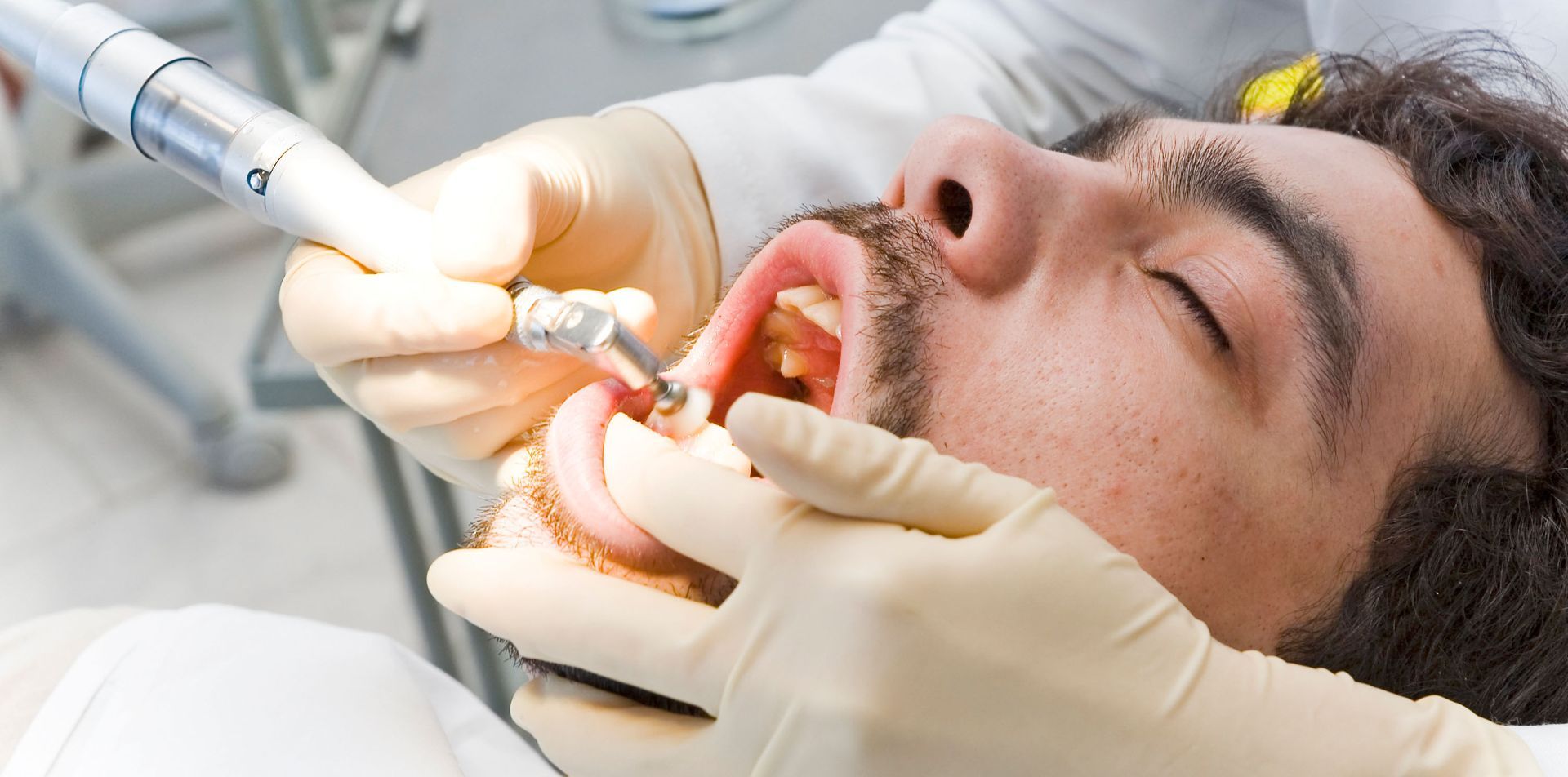
Professional teeth cleaning is a key part of preventive care and one of the most widely used dental services for maintaining oral hygiene. These appointments remove plaque and hardened tartar that cannot be eliminated through regular brushing alone. This process helps protect teeth and gums from long-term damage.
Cleanings also support the prevention of gum-related conditions by reducing harmful bacteria in the mouth. Dental professionals use specialized tools to clean areas that are difficult to reach at home. This helps maintain healthier gum tissue and supports overall oral function.
Unlike cosmetic treatments, professional cleaning focuses on health rather than appearance alone. While the results may improve brightness, the primary goal is disease prevention. As part of ongoing dental procedures, cleanings play an essential role in reducing the risk of decay and infection.
Consistent cleanings also help reinforce good oral hygiene habits. Patients receive guidance on brushing techniques and daily care routines tailored to their needs. This combination of professional support and home care strengthens the overall effectiveness of dental procedures over time.
3. Apply Dental Sealants and Fluoride Treatments
Dental sealants and fluoride treatments are preventive dental services designed to strengthen teeth and reduce cavity risk. Sealants act as a protective coating applied to chewing surfaces, helping block bacteria and food particles from settling into grooves.
These treatments are especially useful for protecting molars, where decay is more likely to develop. Sealants provide a long-lasting barrier that supports oral health during cavity-prone years. Regular check-ups ensure these protective coatings remain effective as part of ongoing dental procedures.
Fluoride treatments strengthen enamel by supporting the natural remineralization process. This helps teeth resist acid attacks caused by bacteria and sugars. Fluoride can be applied in different forms during a dental visit depending on individual needs.
When combined, sealants and fluoride create a strong preventive approach. They work together to protect both the surface and structure of teeth. These dental services reduce the likelihood of future restorative treatments by reinforcing natural defenses.
4. Manage Preventive Oral Hygiene Practices
Preventive oral hygiene practices are essential for maintaining results achieved through professional dental services. Daily habits such as brushing and flossing help control plaque buildup and support gum health. Consistency in these routines reduces the likelihood of developing dental problems.
Education also plays an important role in prevention. Dental professionals often provide personalized guidance to help patients improve their technique and daily habits. This ongoing support strengthens the impact of dental procedures between visits.
Dietary choices can also influence oral health outcomes. Limiting sugary and acidic foods helps protect enamel and reduce bacterial growth. When combined with professional care, these habits enhance the effectiveness of dental services over time.
Building strong home care routines ensures long-term oral stability. Patients who follow consistent hygiene practices are more likely to maintain healthy teeth and gums. This partnership between daily habits and dental procedures supports lasting oral wellness.
5. Address Restorative Dental Care Options
Restorative care focuses on repairing damage and restoring function to teeth affected by decay or injury. These dental services help preserve natural teeth whenever possible while improving comfort and oral performance. Treatment plans are tailored to the specific needs of each patient.
Common restorative approaches may include fillings, crowns, or other corrective procedures. These treatments address structural issues and prevent further deterioration. As part of comprehensive dental services, restorative care helps maintain long-term oral function.
Early intervention is important when addressing dental damage. Treating issues in their initial stages often leads to simpler and more effective outcomes. This proactive approach ensures dental procedures can restore health before complications develop.
Restorative care also supports overall quality of life by improving chewing ability and reducing discomfort. Patients benefit from restored function and stability, which contributes to long-term oral health goals. These dental services are essential for maintaining both structure and performance.
6. Respond to Dental Emergencies Promptly
Emergency dental care is a critical component of comprehensive dental services. Prompt attention to sudden pain, injury, or infection helps prevent further complications and protects long-term oral health. Immediate care can make a significant difference in treatment outcomes.
Dental emergencies may include severe tooth pain, broken teeth, or unexpected swelling. Quick response allows professionals to assess the situation and provide appropriate treatment. These urgent dental services help stabilize conditions and relieve discomfort.
Timely intervention also reduces the risk of permanent damage. Addressing emergencies early often prevents more extensive procedures later. Access to reliable dental procedures ensures patients can receive care when it is needed most.
Having a plan for urgent situations supports better long-term oral health management. Knowing when and how to seek help helps reduce stress during unexpected events. These emergency dental services provide essential support when immediate care is required.
Protecting oral health requires a consistent approach that combines prevention, maintenance, and timely treatment. From routine visits to emergency care, dental procedures provide the structure needed to support healthy teeth and gums at every stage of life.
By staying committed to regular care and informed daily habits, patients can maintain strong oral health and reduce the likelihood of complex issues. If you are ready to take the next step in improving your smile, we at Advanced Dental Wellness invite you to schedule a visit so we can help you achieve lasting oral health together.